
Colonoscopy: When You Need One and How to Prepare
Learn what a colonoscopy is, when it's recommended, how to prepare, and why it's essential for colorectal cancer prevention in Los Cabos.
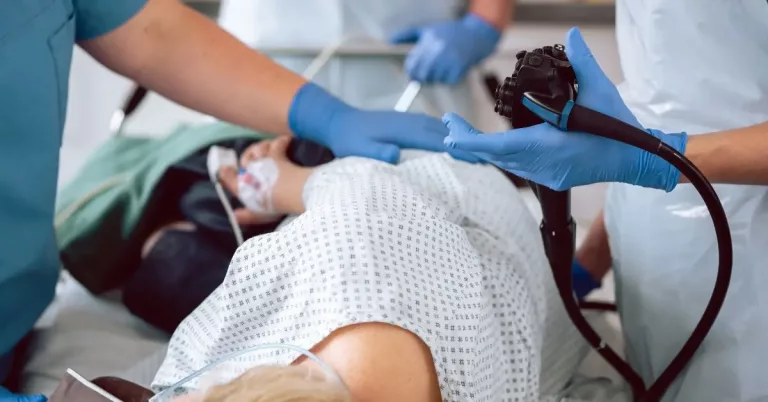
A colonoscopy is one of the most important screening and diagnostic procedures for evaluating the health of the colon and rectum. It allows physicians to identify digestive diseases, determine the cause of gastrointestinal symptoms, and help prevent colorectal cancer by detecting and removing precancerous polyps before they develop into cancer.
The procedure is performed using a colonoscope, a flexible tube equipped with a high-definition camera that provides a detailed view of the lining of the large intestine. In addition to examining the colon, a colonoscopy allows specialists to obtain biopsies and remove polyps during the same procedure, often eliminating the need for additional surgery.
Because of its accuracy and preventive benefits, colonoscopy is considered the gold standard for colorectal cancer screening. At BlueNetHospitals Los Cabos, our Gastroenterology and General Surgery specialists perform diagnostic and preventive colonoscopies using advanced technology to provide early detection and personalized care.
What Is a Colonoscopy?A colonoscopy is a medical procedure that allows a physician to examine the inside of the colon and rectum using a flexible instrument called a colonoscope, which contains a high-definition camera and light source.
This examination helps diagnose diseases of the large intestine, investigate digestive symptoms, and identify abnormalities that may not be detected through other diagnostic tests.
During the procedure, your specialist can:
- Detect colon polyps.
- Identify inflammation of the colon.
- Diagnose gastrointestinal bleeding.
- Collect tissue samples (biopsies).
- Remove polyps during the same procedure.
- Detect colorectal cancer at an early stage.
A colonoscopy can help diagnose or rule out several diseases affecting the colon and rectum, including:
- Colorectal cancer.
- Colon polyps.
- Crohn's disease.
- Ulcerative colitis.
- Diverticulosis and diverticulitis.
- Microscopic colitis.
- Gastrointestinal bleeding.
- Colon inflammation.
- Abnormal changes in the intestinal lining.
Early detection allows treatment to begin sooner, improving outcomes and reducing the risk of complications.
When Is a Colonoscopy Recommended?Your Gastroenterologist or General Surgeon may recommend a colonoscopy to:
- Investigate rectal bleeding.
- Evaluate persistent abdominal pain.
- Assess changes in bowel habits.
- Determine the cause of chronic diarrhea or constipation.
- Detect colon polyps.
- Diagnose inflammatory bowel disease.
- Evaluate unexplained iron-deficiency anemia.
- Perform preventive colorectal cancer screening.
Colonoscopy is also recommended as a screening test for:
- Adults aged 45 years and older with average risk.
- Individuals with a family history of colorectal cancer.
- Patients with a personal history of colon polyps.
- People with inflammatory bowel disease.
A colonoscopy is performed by a Gastroenterologist or a General Surgeon trained in digestive endoscopy. These specialists are qualified to diagnose diseases of the colon and perform therapeutic procedures safely during the examination.
At BlueNetHospitals Los Cabos, our board-certified physicians use advanced endoscopic technology to provide accurate diagnoses and high-quality patient care.
How Is a Colonoscopy Performed?During the procedure, the physician carefully inserts the colonoscope through the rectum to examine the entire colon.
The high-definition images are displayed on a monitor in real time, allowing the specialist to identify:
- Inflammation.
- Polyps.
- Bleeding.
- Ulcers.
- Tumors.
- Other abnormalities of the colon.
If necessary, biopsies can be taken or polyps removed during the same procedure without the need for additional surgery.
How Should I Prepare for a Colonoscopy?Proper bowel preparation is essential for obtaining clear images and ensuring accurate results.
Preparation typically includes:
- Following a special diet recommended by your physician.
- Avoiding high-fiber foods before the procedure.
- Drinking only clear liquids when instructed.
- Taking prescribed bowel-cleansing medications.
- Fasting before the examination.
Carefully following your physician's instructions helps ensure a safe and effective colonoscopy.
Before the ColonoscopyBefore the procedure, your specialist will perform a comprehensive medical evaluation, including:
- Medical history review.
- Family history assessment.
- Discussion of digestive symptoms.
- Review of current medications.
- Evaluation of existing medical conditions.
You will also receive detailed instructions for bowel preparation and have the opportunity to ask any questions about the procedure.
During the ColonoscopyA colonoscopy typically takes 30 to 60 minutes.
Most patients receive sedation to ensure they remain comfortable and relaxed throughout the examination.
While examining the colon, the physician can identify abnormalities, obtain biopsies, or remove polyps without requiring additional surgery.
After the ColonoscopyAfter the procedure, you will remain under observation until the effects of the sedation wear off.
It is common to experience temporary symptoms such as:
- Mild abdominal bloating.
- Gas.
- Mild cramping.
Most patients are able to return home the same day and resume normal daily activities shortly afterward, following their physician's recommendations.
How Does a Colonoscopy Help Prevent Colorectal Cancer?Colonoscopy is considered the most effective method for early detection and prevention of colorectal cancer.
During the examination, physicians can identify and remove precancerous polyps before they develop into cancer, significantly reducing the risk of colorectal cancer.
When colorectal cancer is detected in its early stages, treatment is generally more successful, and long-term outcomes are significantly improved.
For this reason, colonoscopy is one of the most valuable tools in preventive digestive healthcare.
Am I a Candidate for a Colonoscopy?A colonoscopy may be recommended if you have persistent digestive symptoms or wish to undergo preventive colorectal cancer screening.
It is particularly recommended for:
- Adults aged 45 years and older.
- Individuals with a family history of colorectal cancer.
- Patients with a history of colon polyps.
- People experiencing rectal bleeding.
- Patients with persistent changes in bowel habits.
- Individuals with recurrent abdominal pain.
- Patients with unexplained anemia.
Your specialist will determine the most appropriate time to perform a colonoscopy based on your medical history and individual risk factors.
Schedule an Appointment with a SpecialistAt BlueNetHospitals Los Cabos, our experienced Gastroenterology and General Surgery specialists perform diagnostic and preventive colonoscopies using high-definition endoscopic technology to detect diseases of the colon early and provide timely treatment.
If you have persistent digestive symptoms, rectal bleeding, abdominal pain, a family history of colorectal cancer, or would like to schedule a preventive screening, our specialists are here to help.
📲 Schedule your appointment today via WhatsApp at +52 (624) 151 0693.
🚑 If you experience heavy rectal bleeding, severe abdominal pain, persistent fever, continuous vomiting, or loss of consciousness, seek emergency medical attention immediately or call our ambulance service at +52 (624) 104 3911.
Frequently Asked Questions1. Is a colonoscopy painful?
Generally, no. Most colonoscopies are performed under sedation, allowing patients to remain comfortable throughout the procedure.
2. How long does a colonoscopy take?A colonoscopy usually takes 30 to 60 minutes, depending on whether biopsies or polyp removal are performed.
3. At what age should I have a colonoscopy?Current guidelines recommend beginning average-risk colorectal cancer screening at age 45. Individuals with a family history or other risk factors may need screening at an earlier age.
4. Can a colonoscopy detect colon cancer?Yes. A colonoscopy can detect colorectal cancer, precancerous polyps, and other diseases of the colon at an early stage, when treatment is often most effective.
5. Can polyps be removed during the procedure?Yes. In most cases, colon polyps can be safely removed during the colonoscopy, reducing the risk of colorectal cancer without requiring additional surgery.
6. How often should I have a colonoscopy?The recommended interval depends on your age, personal and family medical history, previous findings, and overall risk factors. If your colonoscopy is normal and you are at average risk, screening is generally recommended every 10 years, although your physician may advise a different schedule based on your individual needs.
Health Library
Advanced General Surgery



Hemorrhoids: Symptoms, Causes, and Effective Treatments
Learn about hemorrhoid types, symptoms, causes, available treatments, and when rectal bleeding requires medical evaluation.
Hemorrhoid Surgery: Techniques, Recovery, and Aftercare
Learn when hemorrhoid surgery is recommended, which techniques are available, their risks, and what to expect during recovery.
Spigelian Hernia
This type of hernia is also sometimes called a lateral ventral hernia. Schedule Your Appointment Today.
Laparotomy
Types, uses, risks and recovery process
- Do You Need an Appointment with a Specialist?
- call us
- write us
- let's talk

