
Neurosurgery
Spine Surgery: When It’s Needed, Types, and Recovery
Learn when spine surgery may be recommended, common procedures, potential benefits, risks, and what to expect during recovery in Los Cabos.

Spine Surgery: When It's Needed, Types, and Recovery
Back pain is one of the leading causes of medical visits and disability worldwide. While many spinal conditions can be successfully managed with medication, physical therapy, rehabilitation, and lifestyle modifications, some patients may require spine surgery to relieve pain, restore mobility, and prevent permanent neurological damage.
Conditions affecting the vertebrae, intervertebral discs, spinal cord, and spinal nerves can cause persistent symptoms that interfere with daily life and reduce overall quality of life. When conservative treatments fail or there is a risk of irreversible nerve injury, surgery may be the most effective treatment option.
At BlueNetHospitals, our experienced Neurosurgery and Spine Surgery specialists in Los Cabos provide comprehensive evaluations and personalized treatment plans, using advanced surgical techniques and minimally invasive procedures whenever appropriate.
What Is Spine Surgery?
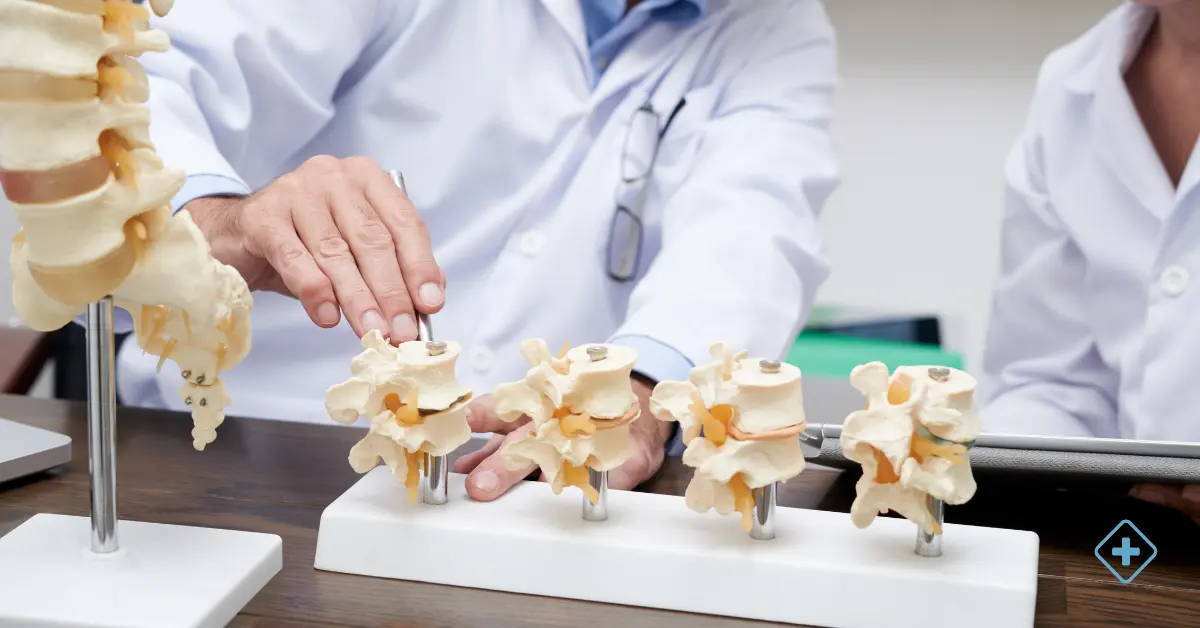
Spine surgery, sometimes referred to as back surgery, includes a variety of procedures designed to treat diseases, injuries, and structural problems affecting the spine and surrounding nerves.
The primary goals of spine surgery are to:
What Conditions May Require Spine Surgery?
Several spinal disorders may require surgical treatment if they cause severe pain, neurological symptoms, or spinal instability.
Common conditions include:
When Is Spine Surgery Recommended?
Most spinal conditions are initially treated with non-surgical options, including medication, physical therapy, rehabilitation, injections, and activity modification.
However, your neurosurgeon may recommend surgery if:
How Do I Know If I'm a Candidate for Spine Surgery?
Not everyone with back pain requires surgery.
Your neurosurgeon will evaluate several factors, including:
Common Types of Spine Surgery
Discectomy
A discectomy removes the damaged portion of a herniated disc that is compressing a spinal nerve or the spinal cord.
It is one of the most common procedures performed for herniated discs.
Laminectomy
A laminectomy removes part of the vertebral bone called the lamina to enlarge the spinal canal and relieve pressure on the spinal cord or nerves.
It is commonly performed to treat spinal stenosis.
Spinal Fusion
Spinal fusion permanently joins two or more vertebrae to stabilize the spine and reduce pain caused by abnormal movement.
It is often recommended for:
In selected patients, a damaged spinal disc can be replaced with an artificial implant designed to preserve spinal motion while relieving pain.
Minimally Invasive Spine Surgery
Many spinal conditions can now be treated using minimally invasive spine surgery, which requires smaller incisions and specialized instruments.
Potential benefits include:
Benefits of Spine Surgery
When recommended for the appropriate patient, spine surgery may provide significant long-term benefits, including:
Preparing for Spine Surgery
Before surgery, your healthcare team will perform a complete preoperative evaluation.
This may include:
What Happens During Spine Surgery?
Every procedure is different and depends on the underlying condition.
During surgery, the neurosurgeon uses advanced technology and specialized techniques to safely treat the source of the problem while protecting surrounding nerves and tissues.
Depending on the procedure, surgery may last anywhere from one to several hours.
Many procedures incorporate advanced surgical microscopes, spinal navigation systems, and minimally invasive techniques to improve precision and patient outcomes.
Recovery After Spine Surgery
Recovery varies according to the type of surgery, the patient's overall health, and the complexity of the spinal condition.
Following surgery, patients are monitored to manage pain and ensure proper healing.
Recovery recommendations often include:
How Long Does Recovery Take?
One of the most common questions patients ask is how long recovery takes after spine surgery.
Recovery timelines vary depending on the procedure performed.
Generally:
What Are the Risks of Spine Surgery?
Like any surgical procedure, spine surgery carries certain risks, although serious complications are uncommon when performed by experienced specialists.
Potential risks include:
Expert Spine Surgery in Los Cabos
At BlueNetHospitals, our experienced Neurosurgery and Spine Surgery specialists in Los Cabos diagnose and treat a wide range of spinal disorders using advanced technology and evidence-based treatment approaches.
We provide comprehensive care for patients with:
Schedule an Appointment with a Neurosurgery Specialist
If you experience persistent back pain, neck pain, sciatica, numbness, muscle weakness, or symptoms related to spinal disorders, an evaluation by a neurosurgery specialist can help identify the cause and determine the most appropriate treatment.
At BlueNetHospitals Los Cabos, our Neurosurgery and Spine Surgery specialists provide personalized care using advanced diagnostic tools and modern surgical techniques.
📲 Schedule your appointment today by WhatsApp at +52 (624) 151 0693.
🚑 If you experience sudden loss of strength, loss of bladder or bowel control, or severe back pain following an injury, seek emergency medical attention immediately or request an ambulance by calling +52 (624) 104 3911.
Frequently Asked Questions
1. Is spine surgery always necessary?
No. Most spinal conditions can be successfully treated with medication, physical therapy, rehabilitation, and other non-surgical treatments. Surgery is recommended only when conservative care fails or there is a risk of permanent neurological damage.
2. What specialist performs spine surgery?
Spine surgery is typically performed by a neurosurgeon or an orthopedic spine surgeon, depending on the patient's condition and the type of procedure required.
3. Will spine surgery completely eliminate my pain?
Many patients experience significant pain relief and improved function after surgery. However, outcomes depend on the underlying condition, the surgical procedure, and the patient's commitment to rehabilitation.
4. How long does recovery take after spine surgery?
Recovery ranges from a few weeks for minimally invasive procedures to several months for more complex spinal surgeries.
5. Is spine surgery safe?
When performed by experienced spine specialists using appropriate surgical techniques, spine surgery is generally considered safe and has high success rates for carefully selected patients.
6. Is minimally invasive spine surgery better?
For many patients, minimally invasive spine surgery offers advantages such as smaller incisions, less pain, reduced blood loss, and faster recovery. However, not every spinal condition can be treated using minimally invasive techniques, and your surgeon will recommend the best approach for your specific diagnosis.
Back pain is one of the leading causes of medical visits and disability worldwide. While many spinal conditions can be successfully managed with medication, physical therapy, rehabilitation, and lifestyle modifications, some patients may require spine surgery to relieve pain, restore mobility, and prevent permanent neurological damage.
Conditions affecting the vertebrae, intervertebral discs, spinal cord, and spinal nerves can cause persistent symptoms that interfere with daily life and reduce overall quality of life. When conservative treatments fail or there is a risk of irreversible nerve injury, surgery may be the most effective treatment option.
At BlueNetHospitals, our experienced Neurosurgery and Spine Surgery specialists in Los Cabos provide comprehensive evaluations and personalized treatment plans, using advanced surgical techniques and minimally invasive procedures whenever appropriate.
What Is Spine Surgery?
Spine surgery, sometimes referred to as back surgery, includes a variety of procedures designed to treat diseases, injuries, and structural problems affecting the spine and surrounding nerves.
The primary goals of spine surgery are to:
- Relieve pressure on the spinal cord or nerves
- Stabilize the spine
- Correct spinal deformities
- Reduce chronic pain
- Restore mobility and function
- Prevent permanent neurological damage
What Conditions May Require Spine Surgery?
Several spinal disorders may require surgical treatment if they cause severe pain, neurological symptoms, or spinal instability.
Common conditions include:
- Herniated cervical or lumbar discs
- Spinal stenosis
- Spondylolisthesis
- Degenerative disc disease
- Scoliosis and spinal deformities
- Vertebral fractures
- Spinal tumors
- Spinal cord compression
- Pinched spinal nerves
- Spinal instability
- Certain spinal infections
When Is Spine Surgery Recommended?
Most spinal conditions are initially treated with non-surgical options, including medication, physical therapy, rehabilitation, injections, and activity modification.
However, your neurosurgeon may recommend surgery if:
- Back or neck pain persists despite conservative treatment.
- Pain significantly affects your daily activities.
- You experience numbness or tingling in your arms or legs.
- Muscle weakness continues to worsen.
- Walking becomes increasingly difficult.
- Imaging shows spinal cord or nerve compression.
- There is a risk of permanent neurological damage.
- You develop loss of bladder or bowel control, which requires immediate medical attention.
How Do I Know If I'm a Candidate for Spine Surgery?
Not everyone with back pain requires surgery.
Your neurosurgeon will evaluate several factors, including:
- Your medical history
- Duration and severity of symptoms
- Neurological examination
- Previous treatments
- Imaging studies
- Overall health condition
- MRI (Magnetic Resonance Imaging)
- CT Scan
- Specialized X-rays
- Electrophysiological studies
- Laboratory tests
Common Types of Spine Surgery
Discectomy
A discectomy removes the damaged portion of a herniated disc that is compressing a spinal nerve or the spinal cord.
It is one of the most common procedures performed for herniated discs.
Laminectomy
A laminectomy removes part of the vertebral bone called the lamina to enlarge the spinal canal and relieve pressure on the spinal cord or nerves.
It is commonly performed to treat spinal stenosis.
Spinal Fusion
Spinal fusion permanently joins two or more vertebrae to stabilize the spine and reduce pain caused by abnormal movement.
It is often recommended for:
- Spondylolisthesis
- Degenerative disc disease
- Spinal instability
- Certain fractures
In selected patients, a damaged spinal disc can be replaced with an artificial implant designed to preserve spinal motion while relieving pain.
Minimally Invasive Spine Surgery
Many spinal conditions can now be treated using minimally invasive spine surgery, which requires smaller incisions and specialized instruments.
Potential benefits include:
- Less postoperative pain
- Smaller incisions
- Reduced blood loss
- Lower infection risk
- Shorter hospital stays
- Faster recovery
Benefits of Spine Surgery
When recommended for the appropriate patient, spine surgery may provide significant long-term benefits, including:
- Relief from chronic back pain
- Reduced leg or arm pain
- Improved mobility
- Increased independence
- Better sleep quality
- Recovery of strength and sensation
- Prevention of neurological deterioration
- Improved quality of life
Preparing for Spine Surgery
Before surgery, your healthcare team will perform a complete preoperative evaluation.
This may include:
- Medical history review
- Physical examination
- Blood tests
- MRI or CT imaging
- Preoperative medical clearance
- Fasting before surgery
- Medications that should be stopped
- Managing chronic medical conditions
- Preparing for recovery at home
What Happens During Spine Surgery?
Every procedure is different and depends on the underlying condition.
During surgery, the neurosurgeon uses advanced technology and specialized techniques to safely treat the source of the problem while protecting surrounding nerves and tissues.
Depending on the procedure, surgery may last anywhere from one to several hours.
Many procedures incorporate advanced surgical microscopes, spinal navigation systems, and minimally invasive techniques to improve precision and patient outcomes.
Recovery After Spine Surgery
Recovery varies according to the type of surgery, the patient's overall health, and the complexity of the spinal condition.
Following surgery, patients are monitored to manage pain and ensure proper healing.
Recovery recommendations often include:
- Pain management medications
- Physical therapy
- Rehabilitation exercises
- Gradual walking program
- Avoiding heavy lifting
- Proper wound care
- Regular follow-up appointments
How Long Does Recovery Take?
One of the most common questions patients ask is how long recovery takes after spine surgery.
Recovery timelines vary depending on the procedure performed.
Generally:
- Minimally invasive procedures allow faster recovery.
- Light daily activities may resume within a few weeks.
- More complex surgeries may require several months of rehabilitation.
What Are the Risks of Spine Surgery?
Like any surgical procedure, spine surgery carries certain risks, although serious complications are uncommon when performed by experienced specialists.
Potential risks include:
- Bleeding
- Infection
- Blood clots
- Nerve injury
- Persistent pain
- Spinal stiffness
- Need for additional surgery
Expert Spine Surgery in Los Cabos
At BlueNetHospitals, our experienced Neurosurgery and Spine Surgery specialists in Los Cabos diagnose and treat a wide range of spinal disorders using advanced technology and evidence-based treatment approaches.
We provide comprehensive care for patients with:
- Herniated discs
- Chronic back pain
- Sciatica
- Spinal stenosis
- Vertebral fractures
- Spinal tumors
- Degenerative spine disease
Schedule an Appointment with a Neurosurgery Specialist
If you experience persistent back pain, neck pain, sciatica, numbness, muscle weakness, or symptoms related to spinal disorders, an evaluation by a neurosurgery specialist can help identify the cause and determine the most appropriate treatment.
At BlueNetHospitals Los Cabos, our Neurosurgery and Spine Surgery specialists provide personalized care using advanced diagnostic tools and modern surgical techniques.
📲 Schedule your appointment today by WhatsApp at +52 (624) 151 0693.
🚑 If you experience sudden loss of strength, loss of bladder or bowel control, or severe back pain following an injury, seek emergency medical attention immediately or request an ambulance by calling +52 (624) 104 3911.
Frequently Asked Questions
1. Is spine surgery always necessary?
No. Most spinal conditions can be successfully treated with medication, physical therapy, rehabilitation, and other non-surgical treatments. Surgery is recommended only when conservative care fails or there is a risk of permanent neurological damage.
2. What specialist performs spine surgery?
Spine surgery is typically performed by a neurosurgeon or an orthopedic spine surgeon, depending on the patient's condition and the type of procedure required.
3. Will spine surgery completely eliminate my pain?
Many patients experience significant pain relief and improved function after surgery. However, outcomes depend on the underlying condition, the surgical procedure, and the patient's commitment to rehabilitation.
4. How long does recovery take after spine surgery?
Recovery ranges from a few weeks for minimally invasive procedures to several months for more complex spinal surgeries.
5. Is spine surgery safe?
When performed by experienced spine specialists using appropriate surgical techniques, spine surgery is generally considered safe and has high success rates for carefully selected patients.
6. Is minimally invasive spine surgery better?
For many patients, minimally invasive spine surgery offers advantages such as smaller incisions, less pain, reduced blood loss, and faster recovery. However, not every spinal condition can be treated using minimally invasive techniques, and your surgeon will recommend the best approach for your specific diagnosis.
Health Library
Neurosurgery




Neurosurgery
Cavernoma
A cavernoma, also known as cerebral cavernous malformation, is a congenital vascular abnormality in the brain or spinal cord.
Neurosurgery
Lower Back Pain (Lumbalgia): Symptoms, Causes & Treatment Options
Lower back pain can affect mobility, daily activities, and quality of life. Learn about the most common causes, symptoms, and treatment options for chronic and acute low back pain.
Neurosurgery
Lumbar Spinal Stenosis
Lumbar spinal stenosis occurs when there is a narrowing of the space within the spinal column.
Neurosurgery
Stroke
A stroke, is a medical condition that occurs when blood flow to the brain is suddenly interrupted.
- Do You Need an Appointment with a Specialist?
- call us
- write us
- let's talk

