
Cardiac Arrhythmia
Arrhythmia is an issue with the rhythm of your heartbeat. We can help you at the Heart Center. Schedule Your Appointment today.

Cardiac arrhythmia is a condition in which the heart beats irregularly, too fast (tachycardia), or too slow (bradycardia). These alterations occur when the electrical impulses that coordinate the heartbeat do not function properly.
Under normal conditions, the heart beats between 60 and 100 times per minute, although this may vary depending on age and physical condition.
Is cardiac arrhythmia dangerous?
Not all arrhythmias are dangerous. Some may be mild or may not require treatment. However, others can affect the heart’s ability to pump blood properly.
More serious arrhythmias may lead to:
- Stroke
- Heart failure
- Cardiac arrest
For this reason, timely medical evaluation is essential.
Types of Arrhythmias
Arrhythmias are classified based on heart rate and their origin:
- Tachycardia: more than 100 beats per minute
- Bradycardia: fewer than 60 beats per minute
- Supraventricular arrhythmias: originate in the atria
- Ventricular arrhythmias: originate in the ventricles and may be more serious
Symptoms of Cardiac Arrhythmia
In some cases, arrhythmias may not cause symptoms. When they do occur, the most common include:
- Palpitations or irregular heartbeat
- Dizziness or fainting
- Fatigue or weakness
- Shortness of breath
- Chest pain or pressure
- Anxiety
Warning Signs
Seek immediate medical attention if you experience:
- Severe chest pain
- Fainting
- Difficulty breathing
Causes of Cardiac Arrhythmia
Arrhythmias can have multiple causes:
Heart diseases
- Cardiopathies: damage to the heart can disrupt its electrical signals
- Coronary artery disease: reduced blood flow can trigger arrhythmias
Medical conditions
- High blood pressure: constant strain can affect heart rhythm
- Diabetes: may damage the nerves that control the heart
- Thyroid disorders: both hyperthyroidism and hypothyroidism can alter heart rate
Lifestyle factors
- Excessive alcohol consumption
- High caffeine intake
- Smoking
- Stress
Other factors
- Sleep apnea
- Family history
- Previous heart damage
How is an arrhythmia diagnosed?
Diagnosis is made by a cardiologist through clinical evaluation and tests such as:
- Electrocardiogram (ECG): a quick, non-invasive test that records the heart’s electrical activity
- Holter monitor: a portable device that records heart rhythm for 24–48 hours
- Echocardiogram: uses ultrasound to assess heart structure and function
- Event recorder: activated during symptoms to capture arrhythmia episodes
Additional tests
- Stress test: evaluates heart performance during physical activity
- Electrophysiological study: a minimally invasive procedure to analyze electrical activity and locate the origin of the arrhythmia
- Tilt table test: used in patients with fainting or dizziness
Treatment for Cardiac Arrhythmia
Treatment depends on the type and severity of the arrhythmia. Many can be effectively managed with medical treatment and lifestyle changes.
Medications
- Antiarrhythmics: help control or regulate heart rhythm
- Anticoagulants: reduce the risk of blood clots and stroke
These medications must be prescribed and supervised by a specialist.
Procedures
- Cardioversion: controlled electrical impulses restore normal rhythm
- Catheter ablation: eliminates small areas of heart tissue causing the arrhythmia
Devices
- Pacemaker: helps maintain proper heart rhythm
- Implantable cardioverter-defibrillator (ICD): detects dangerous rhythms and delivers corrective shocks
- Maze procedure: creates scar tissue to block abnormal signals
- Coronary surgery: for severe arterial disease with arrhythmias
Can arrhythmia be cured?
Some arrhythmias can be completely eliminated through procedures such as ablation. Others can be effectively controlled with medication and medical follow-up.
Prognosis depends on the type of arrhythmia and early diagnosis.
Living with Cardiac Arrhythmia
Healthy habits can improve quality of life:
- Exercise regularly
- Maintain a healthy weight
- Avoid alcohol and tobacco
- Manage stress
- Follow a balanced diet
How to Check Your Pulse at Home
- Place your index and middle fingers on your wrist
- Press gently until you feel your pulse
- Count beats for 10 seconds
- Multiply by 6
A normal resting range is 60 to 100 beats per minute.
When to See a Cardiologist
You should seek medical attention if you:
- Experience frequent palpitations
- Have dizziness or fainting
- Feel chest pain
- Notice worsening symptoms
Early diagnosis can prevent serious complications.
Specialized Care at BlueNet Hospitals
Are you experiencing irregular heartbeats or palpitations?
Frequently Asked Questions
Can cardiac arrhythmia be cured?
Some arrhythmias can be eliminated through medical procedures, while others are managed with treatment.
Can you live with arrhythmia?
Yes, many people live with arrhythmia with proper treatment and medical follow-up.
Is arrhythmia always dangerous?
No, but some types can be serious. That’s why medical evaluation is important.
Medical Disclaimer
The information provided in this article is for informational purposes only and does not replace consultation with a healthcare professional. If you experience symptoms, seek medical attention.
At BlueNet Hospitals, we have Specialists to provide you with appropriate care.
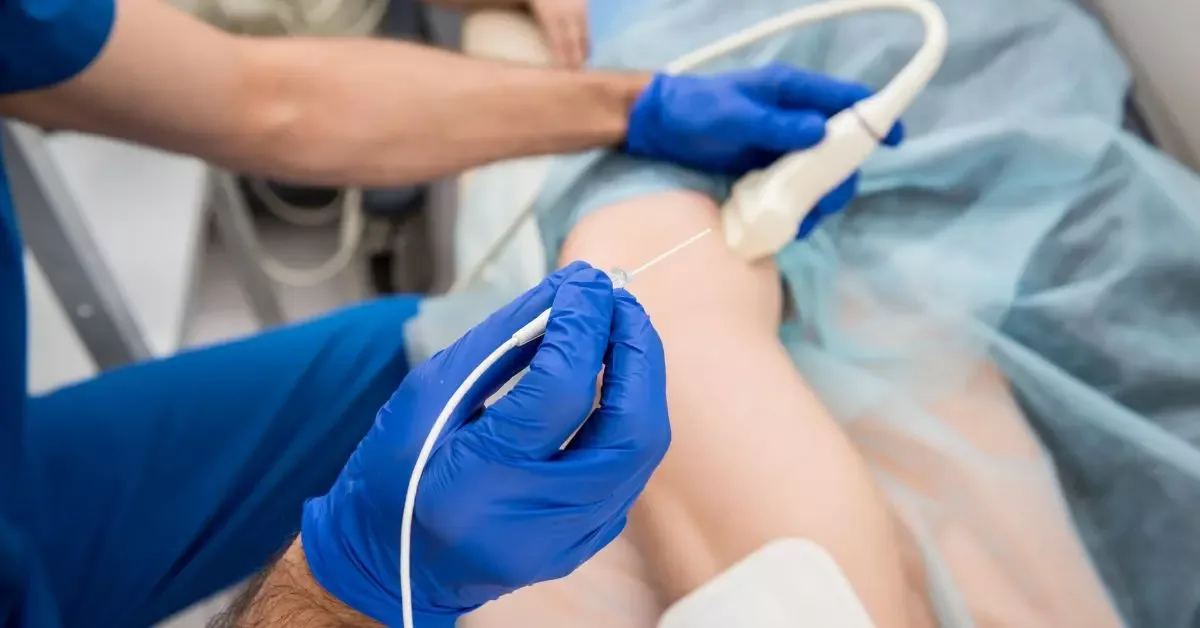





Cardiac Ablation: Benefits, Risks and Recovery
Learn how cardiac ablation treats arrhythmias such as atrial fibrillation, its potential risks, and what to expect during recovery.
Extrasystoles
Ventricular extrasystoles may not present symptoms; in other cases, they may cause unpleasant or alarming sensations.
Heart Murmurs: Symptoms, Causes, Diagnosis and Treatment
Heart murmurs are abnormal sounds heard during a heartbeat as blood flows through the heart valves or chambers. Learn about symptoms, causes, diagnosis, treatment options, and when a heart murmur may signal an underlying cardiovascular condition.
Cardiac Catheterization: Diagnosis, Treatment and Risks
Learn how this procedure evaluates the coronary arteries and helps doctors diagnose and treat a range of cardiovascular conditions.
- Do You Need an Appointment with a Specialist?
- call us
- write us
- let's talk

